
Marketing can feel like a guessing game, especially when you're running a business and juggling a dozen other tasks.
You put money into campaigns, but are they working?
You create content, but is anyone seeing it?
This uncertainty is where Marketing Technology, or MarTech, steps in. It’s not about adding more complexity; it's about bringing clarity and efficiency to your marketing efforts.
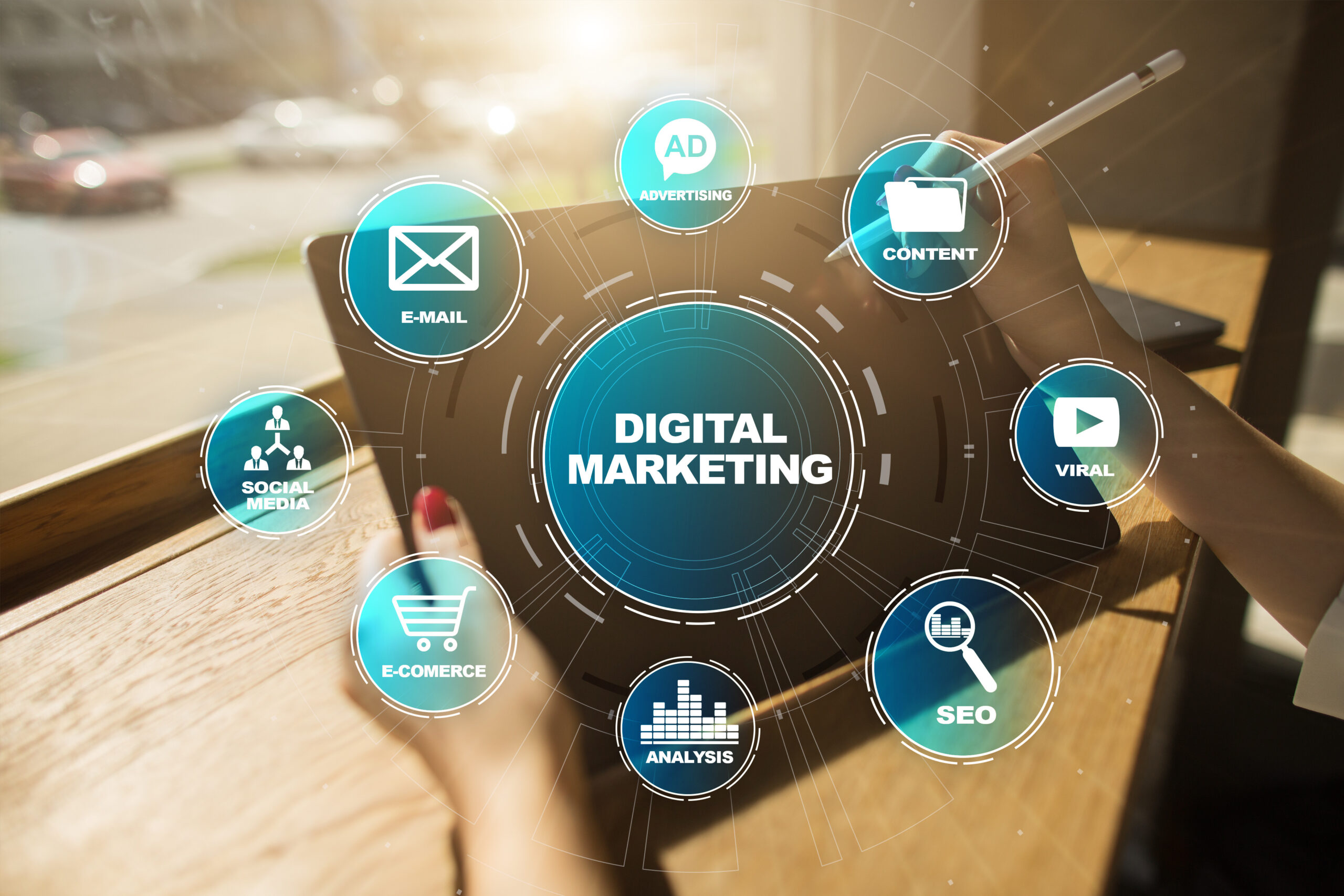
MarTech refers to the software and tools that help you plan, execute, and measure your marketing campaigns. Think of it as your marketing toolkit. When used correctly, these tools can automate repetitive tasks, provide clear data on what’s working, and help you connect with your customers in a more meaningful way. This allows you to stop guessing and start making decisions based on real results.
In this post, we’ll explore the role MarTech plays in a modern marketing strategy. We'll look at the practical benefits for your business and provide some simple tips to get you started.
What is MarTech and Why Should You Care?
MarTech is a broad term for any technology used to help achieve marketing goals. It covers everything from your email marketing platform to your website analytics and customer relationship management (CRM) system. For a small business owner, this might sound like a lot of jargon.
Let’s simplify it. Imagine trying to build a house without any tools. You might get a basic structure up, but it would be slow, inefficient, and likely unstable. MarTech provides the hammers, saws, and measuring tapes you need to build your marketing effectively. It helps you work smarter, not harder.
The right tools empower your business to compete, even with a limited budget. They level the playing field by giving you access to capabilities that were once only available to large corporations with huge marketing departments.
The Practical Benefits of Using MarTech
Integrating technology into your marketing isn't just about keeping up with trends. It delivers tangible benefits that can directly impact your bottom line and give you back valuable time.
Improve Your Efficiency
Many marketing tasks are repetitive. Sending follow-up emails, posting on social media, and tracking campaign performance all take time. MarTech can automate these jobs.
For example, an email marketing tool can send a welcome series to new subscribers automatically. A social media scheduler can publish your posts at the best times without you needing to be online. This automation frees you up to focus on the bigger picture, like strategy and customer relationships. It puts your marketing on autopilot, ensuring consistency even when you’re busy.
Make Data-Driven Decisions
One of the biggest challenges for business owners is knowing what marketing activities are actually driving results. Are your Facebook ads leading to sales? Is your blog bringing in new leads?
MarTech provides the answers. Tools like Google Analytics show you exactly how people find and use your website. A good CRM tracks every interaction a customer has with your business, from their first website visit to their most recent purchase. This data gives you a clear, honest assessment of your marketing ROI. You can confidently decide where to invest your budget and what to stop doing, saving money and improving results.
Enhance the Customer Experience
Your customers expect a smooth and personal experience. They don't want to repeat their story every time they interact with your business. MarTech helps you deliver that seamless journey.
A CRM, for instance, can store customer details and past interactions, allowing you to personalise your communication. If a customer buys a specific product, you can use marketing automation to send them helpful tips or related offers. This shows you understand their needs and value their business, building loyalty and encouraging repeat purchases.
Examples of Common MarTech Tools
The world of MarTech is vast, but you don’t need a complex or expensive setup to see results. Here are a few essential types of tools that can make a big difference for your business.
- Customer Relationship Management (CRM): This is the heart of your MarTech stack. A CRM (like HubSpot, Zoho, or ActiveCampaign) stores all your customer and lead information. It helps you track conversations, manage your sales pipeline, and see a complete history of every customer relationship.
- Email Marketing Platforms: Tools like Mailchimp, Klaviyo or Campaign Monitor allow you to build an email list and communicate with your audience directly. You can send newsletters, promotional offers, and automated campaigns to nurture leads and retain customers.
- Social Media Management Tools: Platforms such as Buffer or Hootsuite let you schedule posts across multiple social media channels from one place. They also provide analytics to show you which content is performing best, saving you hours of manual work.
- Analytics and Data Tools: Google Analytics is a must-have, non-negotiable tool. It’s free and gives you powerful insights into your website traffic. You can see where your visitors come from, what pages they view, and how long they stay, which is crucial for understanding customer behaviour.
If you're not sure which tool is best for which purpose, G2 is a fantastic place to start. G2 holds more than 3 million reviews of software platforms handling every possible function you can imagine making it easier for you to see which platform stands out.
To get started on G2, here are some links to helpful searches:
- Customer Relationship Management (CRM)
- Email Marketing
- Social Media Management
- Analytics and Data Tools
Actionable Tips for Integrating MarTech
Ready to get started? You don't need to do everything at once. The key is to start small and build from there.
- Start with Your Biggest Problem: What is the most time-consuming or frustrating part of your marketing right now? Is it managing leads? Is it posting on social media? Find a tool that solves that one specific problem first.
- Focus on the Essentials: You don’t need dozens of tools. Begin with a good CRM to manage your customer data and an email marketing platform to communicate with them. These two tools alone can transform your marketing.
- Ensure Your Tools Work Together: When choosing new software, check if it can connect with the tools you already use. For example, can your website contact form send new leads directly to your CRM? Integrated systems save you from manual data entry and give you a single view of your customer.
- Don't Be Afraid to Ask for Help: Implementing new technology can be daunting. If you’re feeling overwhelmed, it’s okay to seek support. Working with someone who understands MarTech can help you choose the right tools and set them up correctly, saving you time and frustration in the long run.
Ultimately, MarTech is about giving you more control over your marketing. It provides the systems and data you need to make smart decisions, work more efficiently, and grow your business with confidence.